Tires are easy to take for granted.
As long as they hold air and your vehicle keeps moving, most people don't give them much thought. But your tires do much more than simply roll down the road—they play a major role in your safety, fuel economy, ride comfort, and braking performance.
At Ryan's Servicenter, we often find that tire problems aren't caused by the tires themselves. Instead, they're the result of low air pressure, poor wheel alignment, or skipped tire rotations.
Here are a few simple things every driver should know to get the most life and performance from their tires.
Tire Pressure Matters More Than You Think
One of the easiest ways to protect your tires is by keeping them properly inflated.
Driving with low tire pressure can:
- Cause uneven tire wear
- Reduce fuel economy
- Affect handling and braking
- Increase the risk of a blowout
- Shorten tire life
Too much air isn't good either. Overinflated tires can wear prematurely and create a rougher ride.
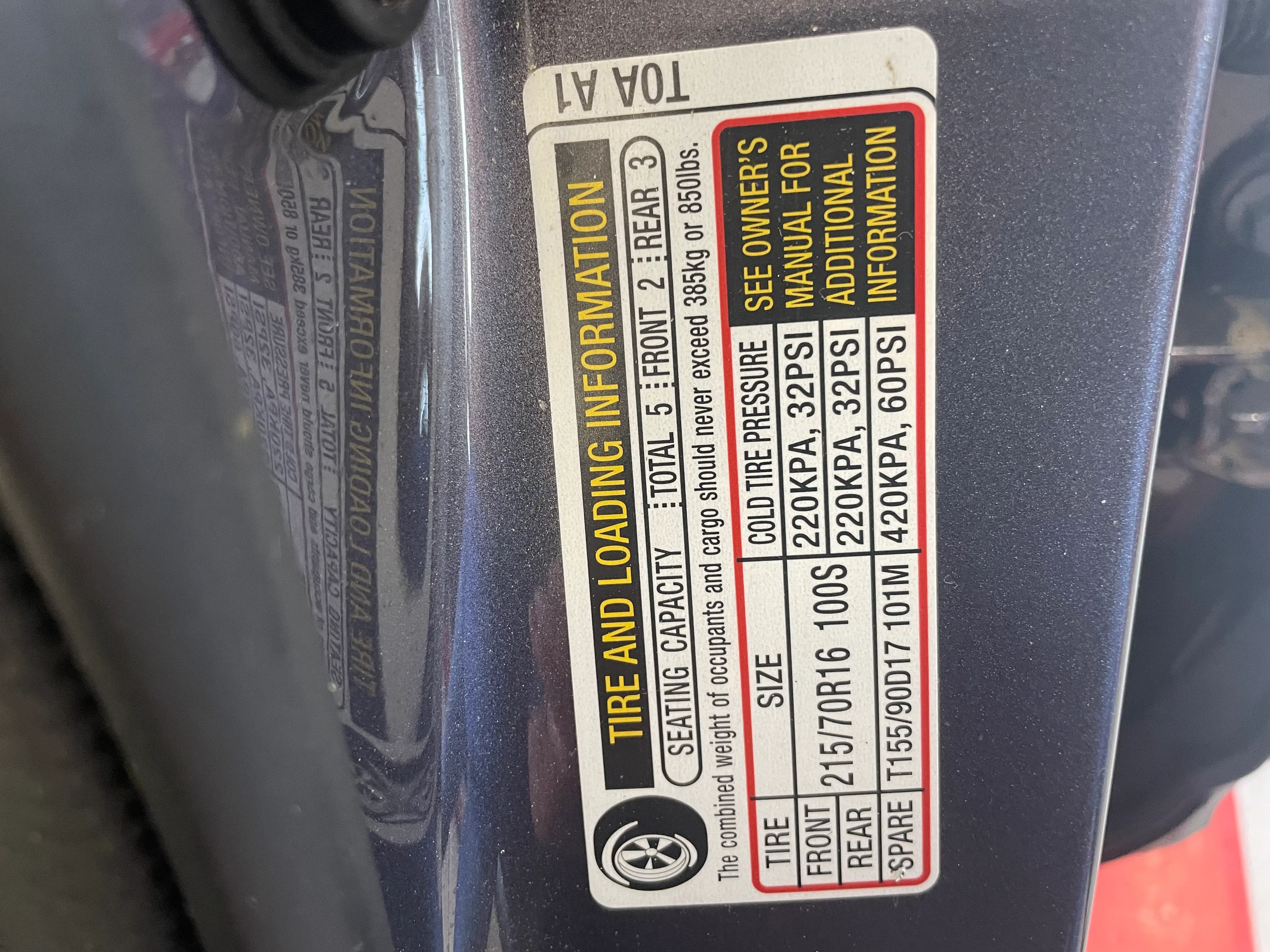
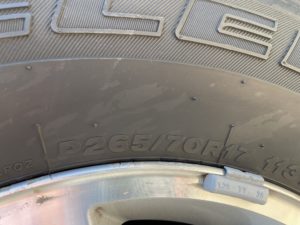
Pro Tip: Check your tire pressure regularly—especially when temperatures change. The correct pressure is listed on the sticker inside your driver's door, not on the tire's sidewall.
Rotate Your Tires to Extend Their Life
Your front and rear tires don't wear at the same rate.
Because the front tires handle most of the steering and braking, they typically wear faster. Regular tire rotations help distribute wear evenly across all four tires.
Benefits of Regular Tire Rotations
- Longer tire life
- Better ride quality
- Improved traction
- More predictable handling
- Maximum value from your tire investment
Most vehicles benefit from tire rotations every 5,000–7,500 miles, which often lines up perfectly with routine oil changes.
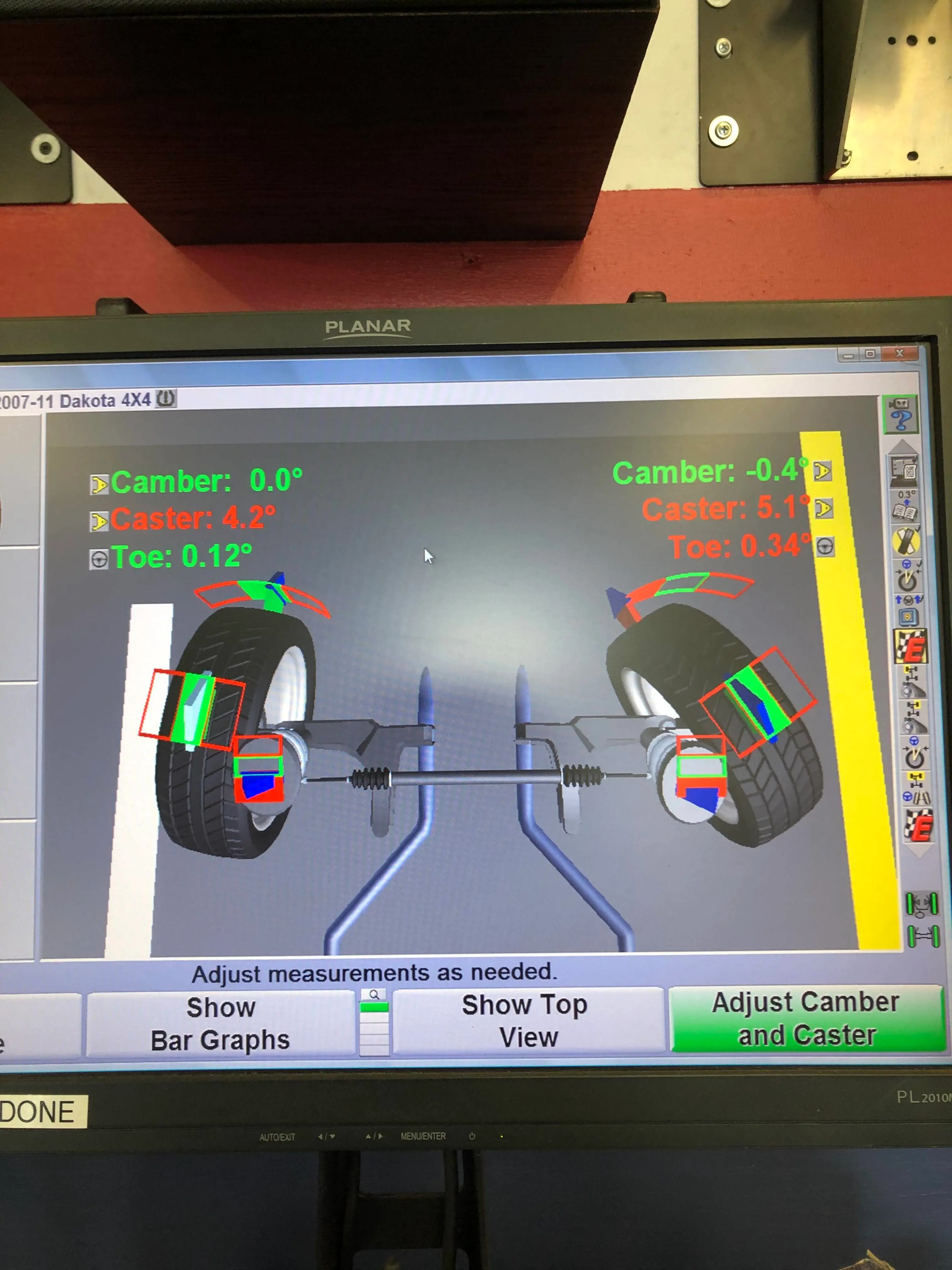
Wheel Alignment Is Just as Important as Your Tires
Many drivers invest in new tires but overlook wheel alignment.
Even the best tires won't last long if your alignment is off.
Signs You May Need a Wheel Alignment
- Vehicle pulls to one side
- Crooked steering wheel
- Uneven tire wear
- Loose steering feel
- Vibration while driving
A minor alignment issue can quietly destroy a set of tires long before their expected lifespan.
Tire Balancing Helps Eliminate Vibrations
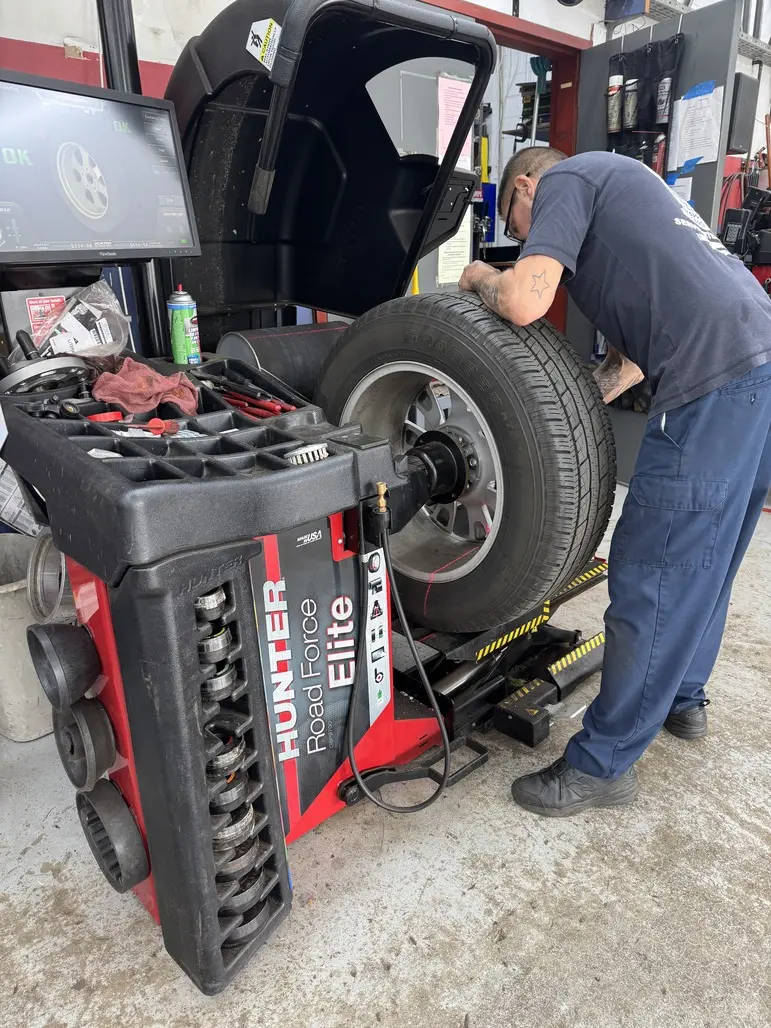
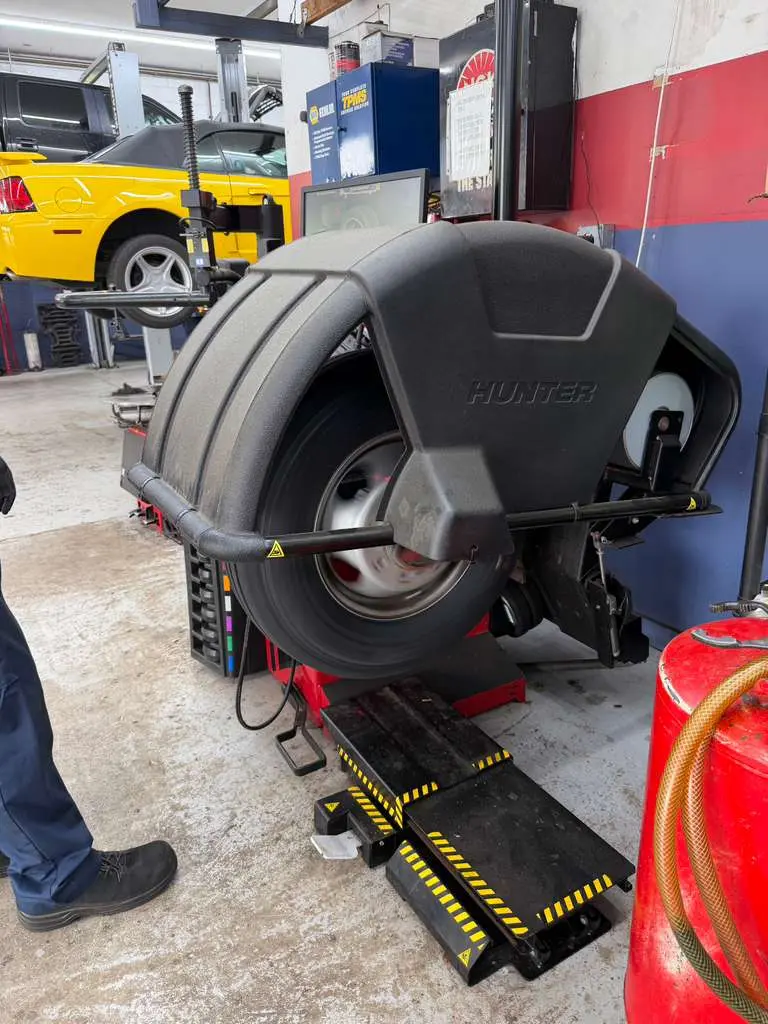
Wheel balancing is another essential part of tire maintenance.
Even a slight imbalance can cause:
- Steering wheel vibration
- Uneven tire wear
- Increased stress on suspension components
- Rougher ride quality
Whenever new tires are installed, balancing helps ensure they perform the way they were designed.
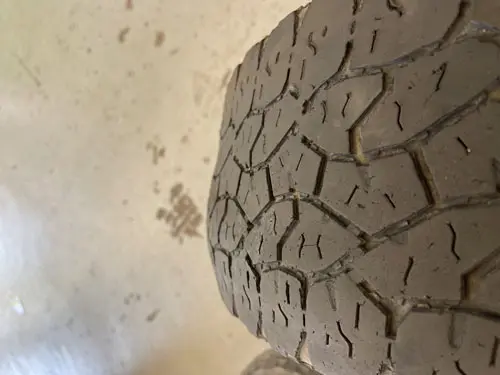
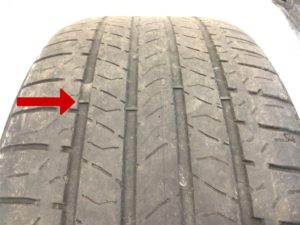
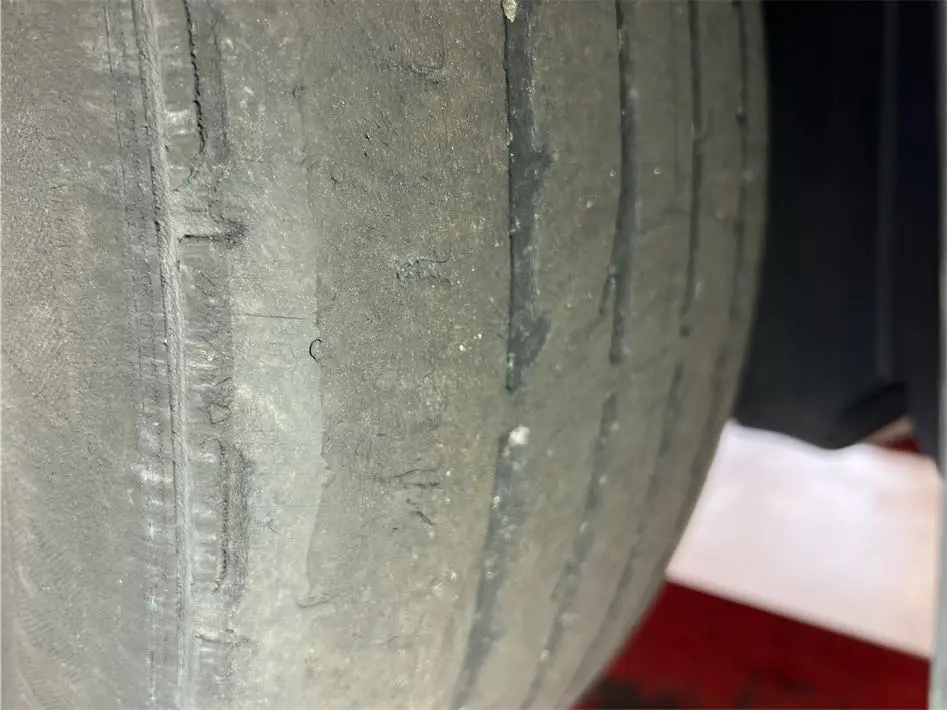
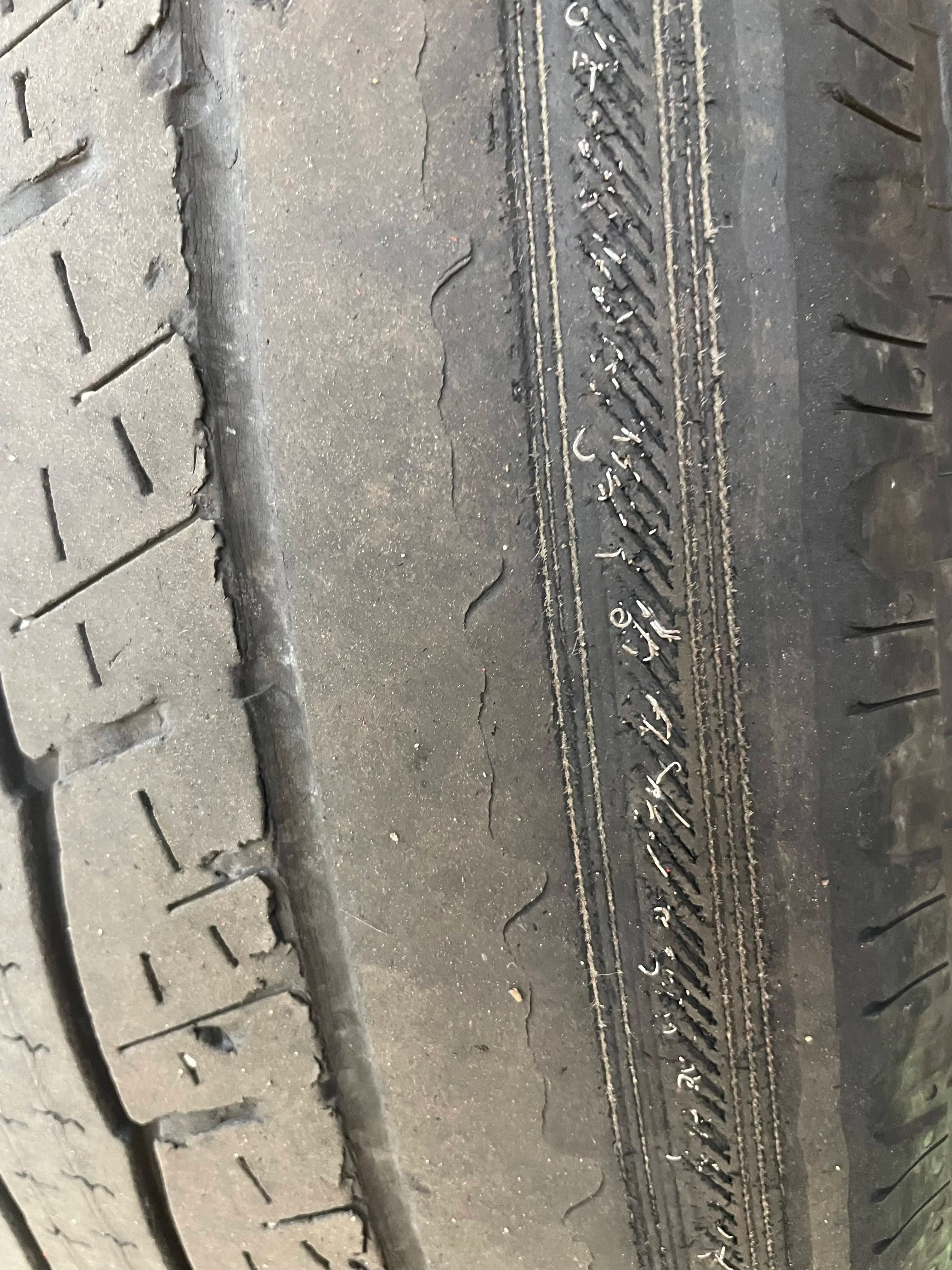
Learn What Your Tire Wear Is Telling You
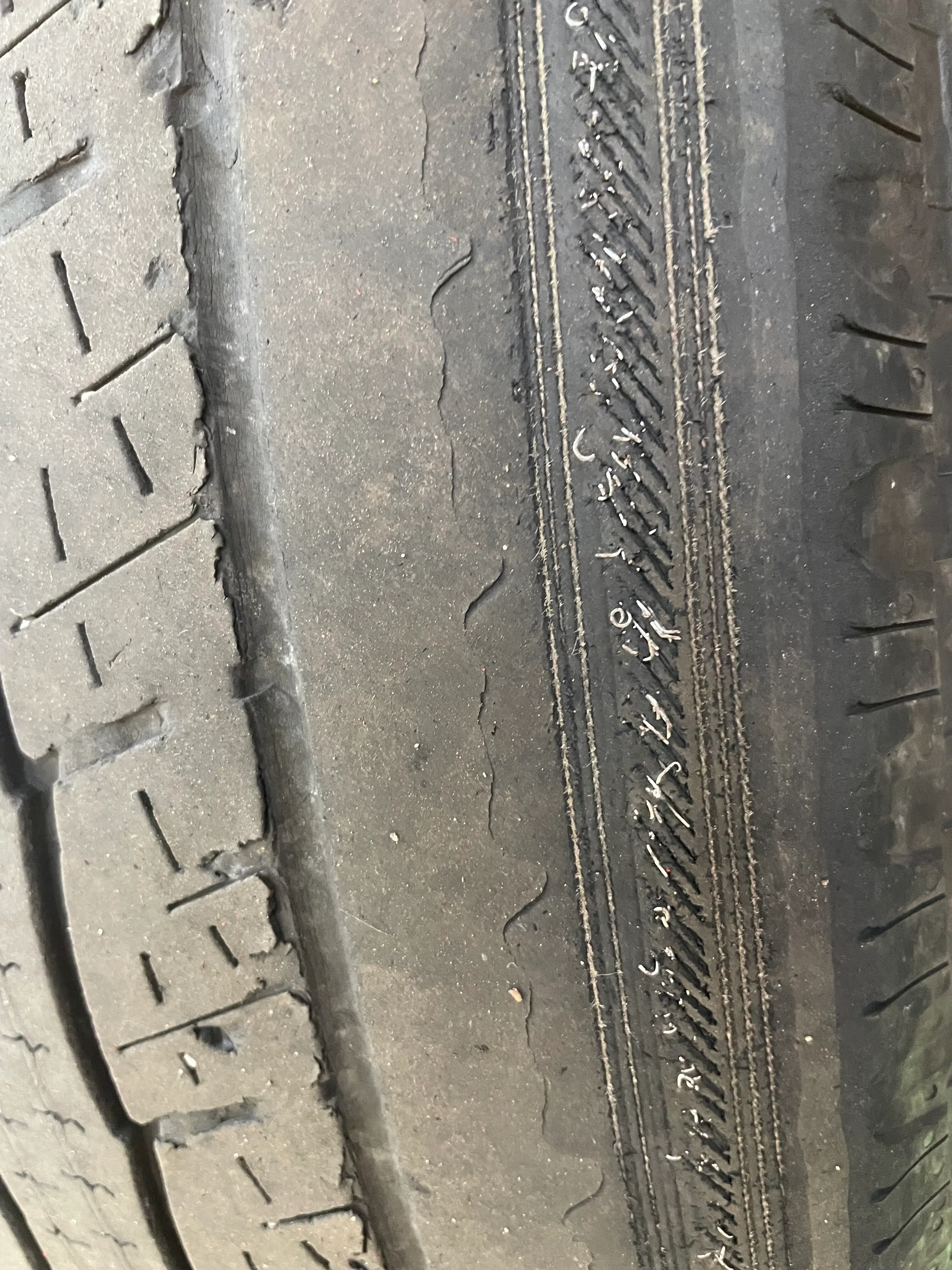
Your tires can reveal a lot about your vehicle's health.
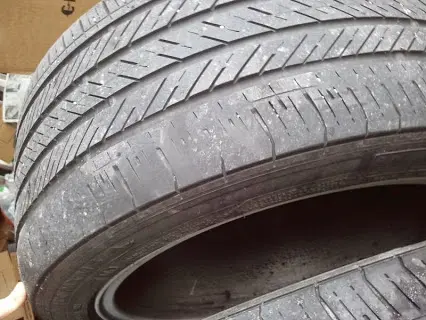
Different wear patterns often point to specific issues:
Wear on Both Edges
Usually caused by low tire pressure.
Wear in the Center
Typically caused by overinflation.
Wear on One Side
Often indicates an alignment problem.
Cupping or Scalloping
May be caused by worn suspension components or improper wheel balancing.
Catching these wear patterns early can help prevent bigger repairs—and save you money.
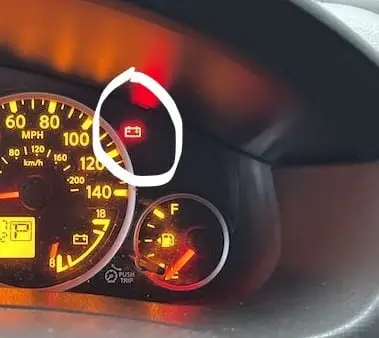
Don't Ignore Your Tire Pressure Warning Light
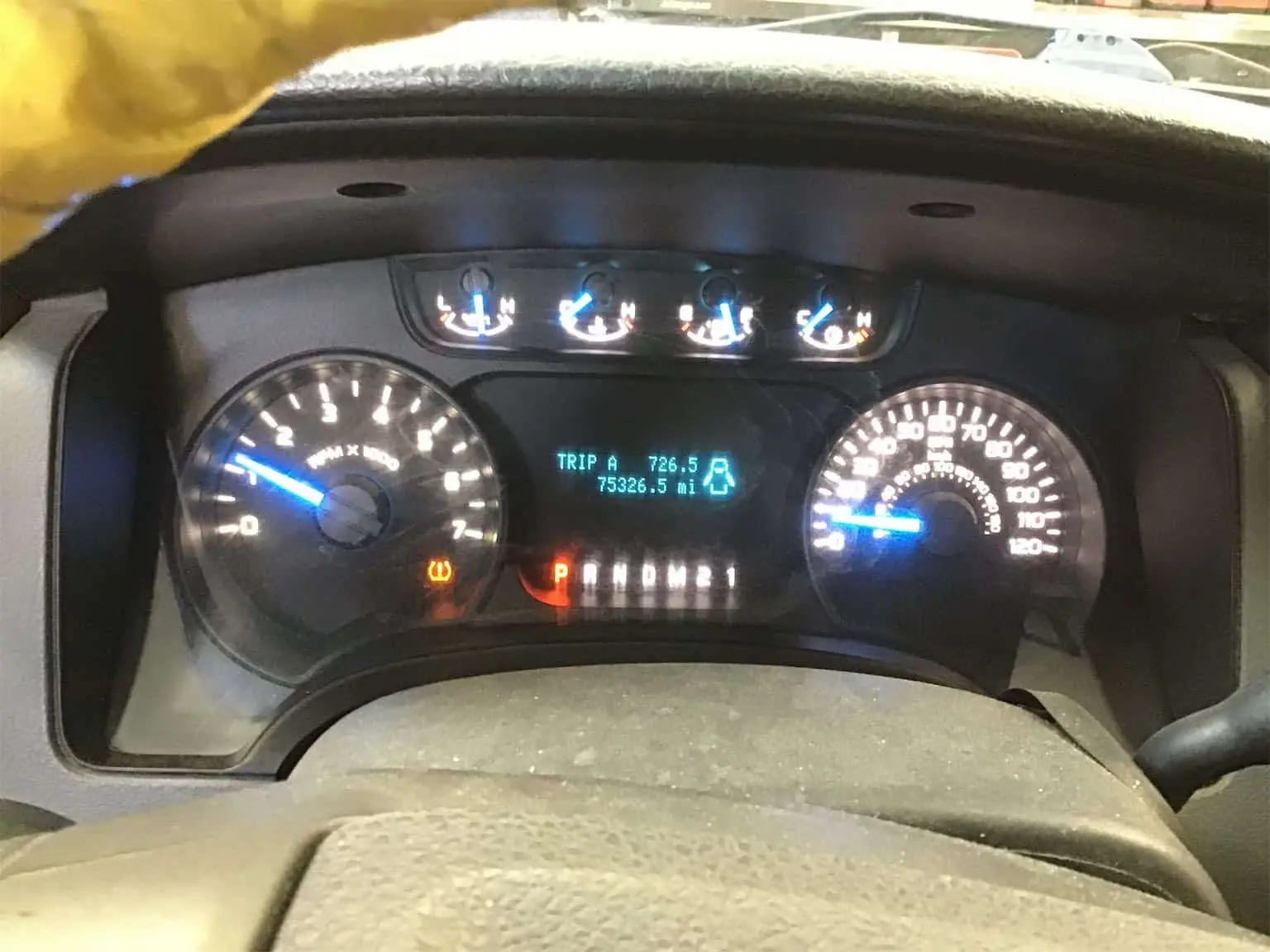
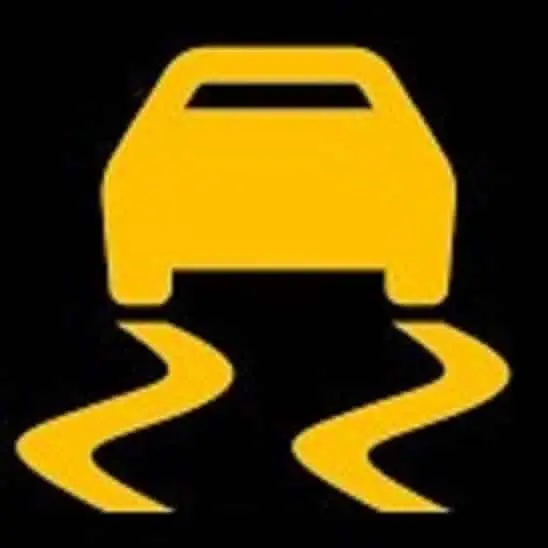
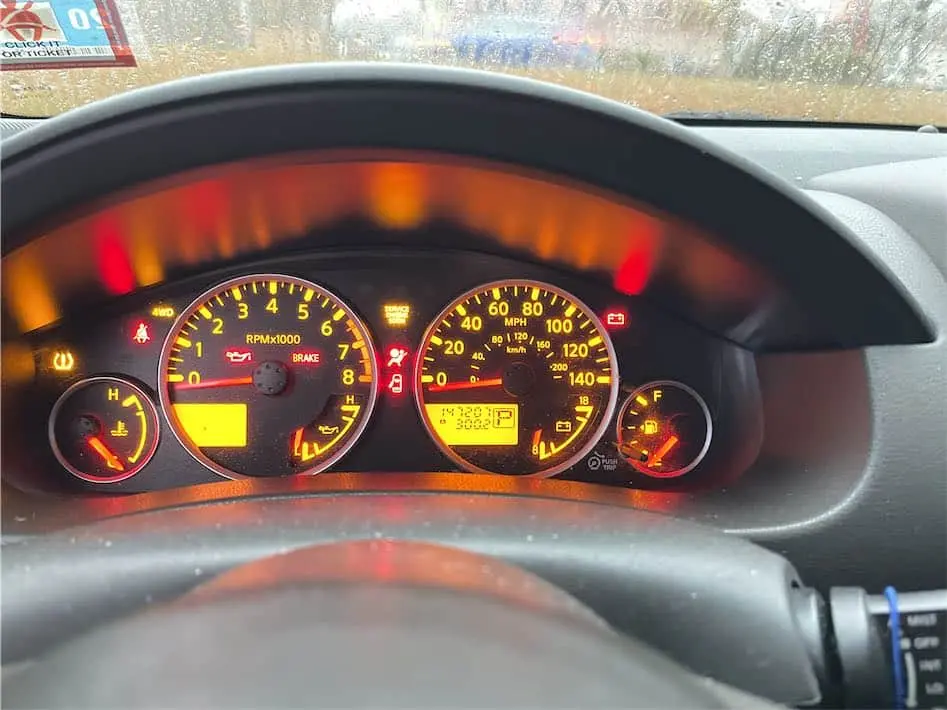
That little horseshoe-shaped light with an exclamation point deserves your attention.
While temperature changes can trigger it, the warning light may also indicate:
- A nail or puncture
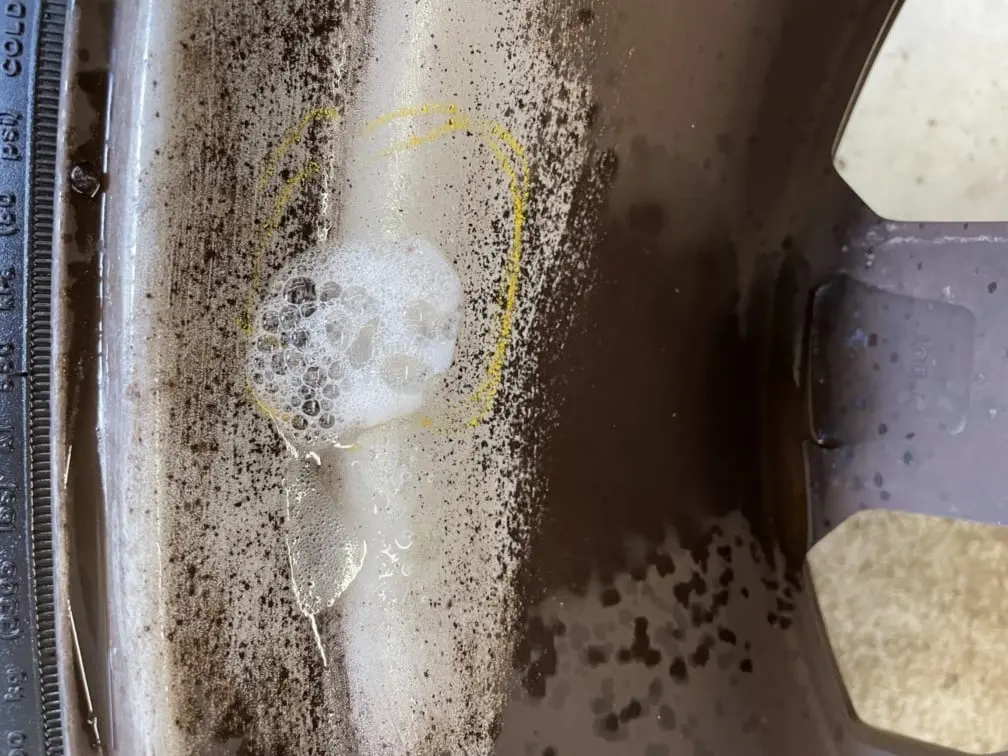
- A slow air leak
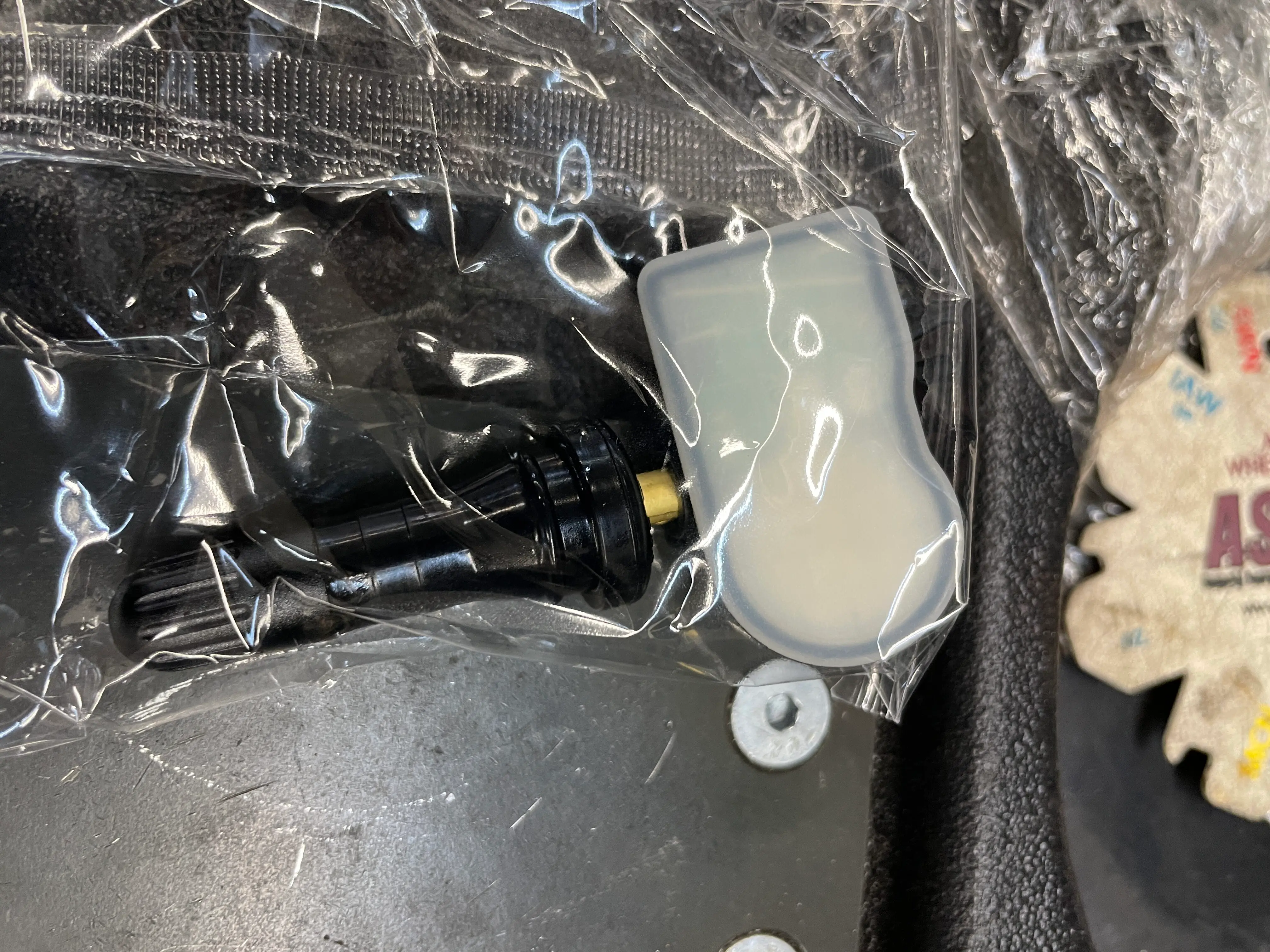
- A failing TPMS sensor
- Low tire pressure in one or more tires
Driving too long with low tire pressure can lead to expensive tire damage—or even leave you stranded on the side of the road.
Why Tire Maintenance Matters for Your Safety
Your tires are the only part of your vehicle that touches the road.
Everything depends on them:
- Braking performance
- Cornering ability
- Wet-weather traction
- Ride quality
- Overall vehicle control
Even the best brakes and suspension system can only perform as well as the tires beneath them.
Let Ryan's Servicenter Help Keep You Rolling
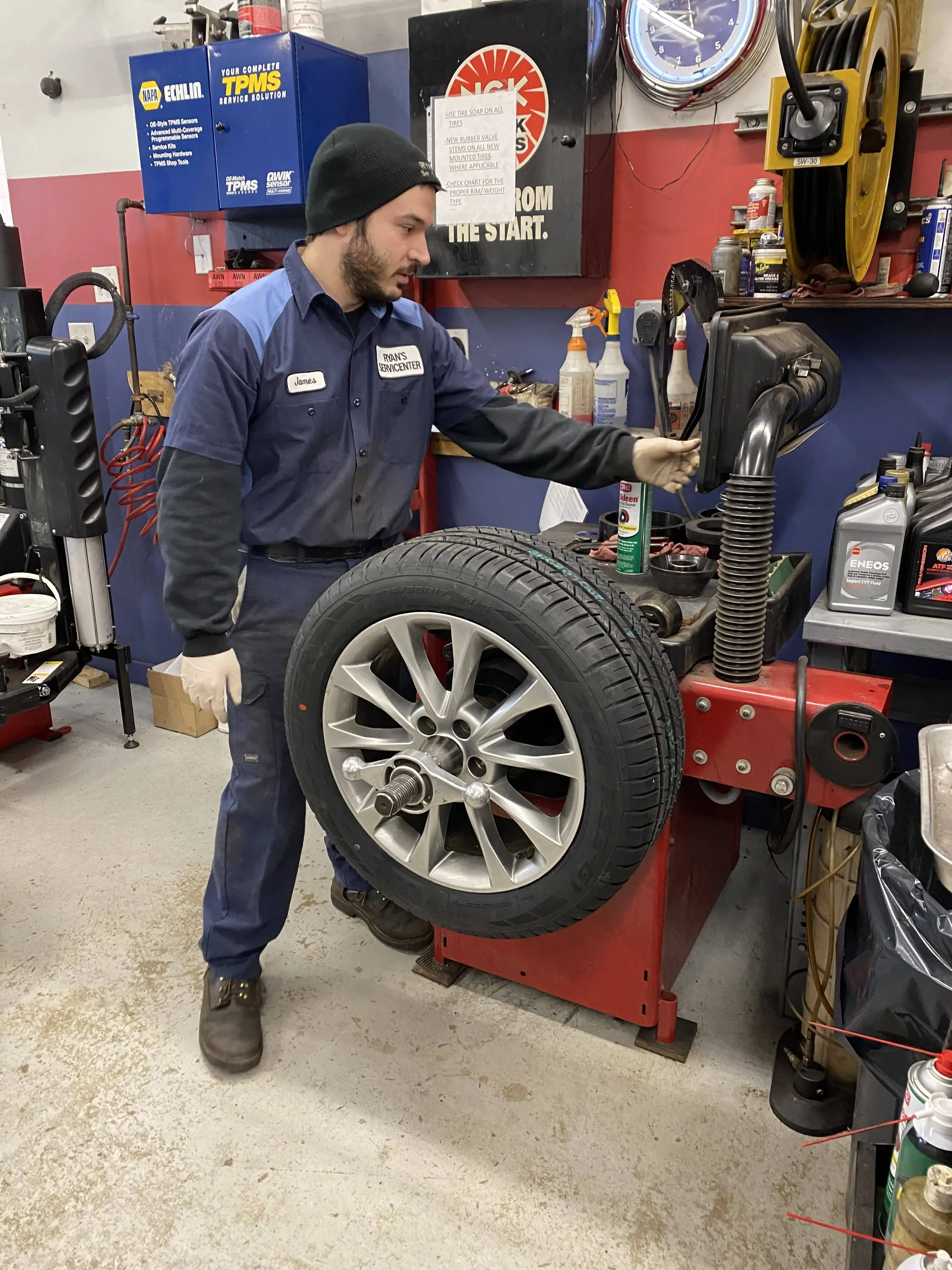
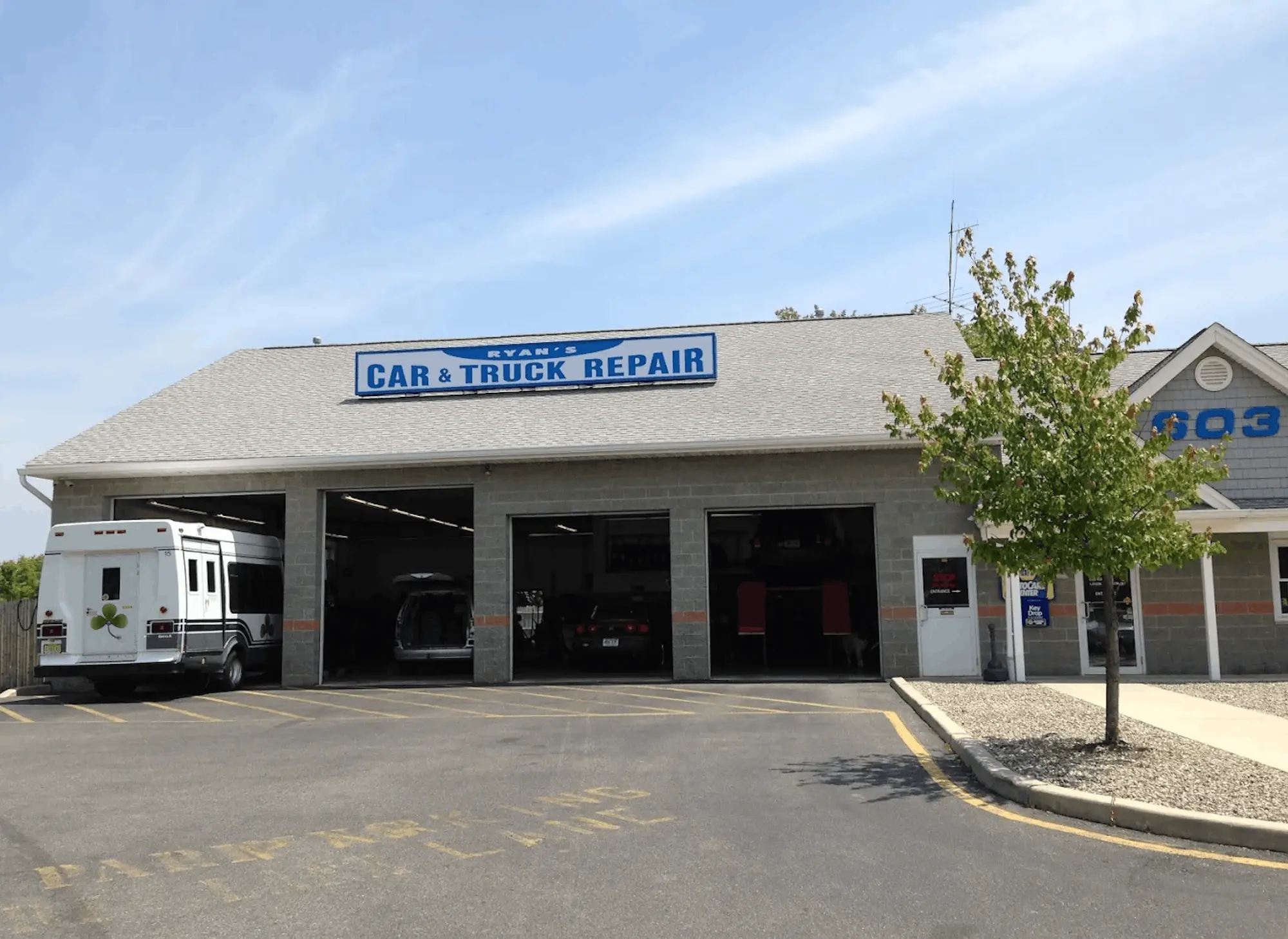
Whether you need new tires, a tire rotation, balancing, or a wheel alignment, Ryan's Servicenter is here to help drivers throughout Lanoka Harbor and Lacey Township get the most from their vehicles.
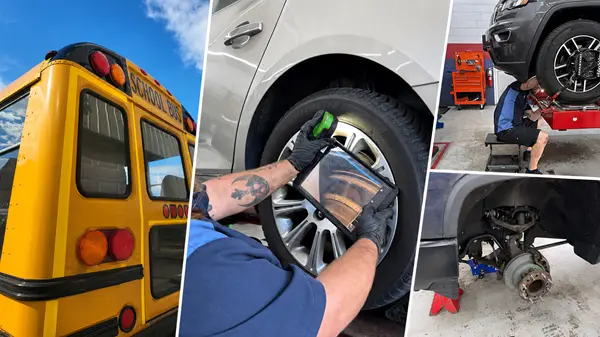
Every visit includes a Digital Vehicle Health Check, complete with photos and easy-to-understand information about your vehicle's condition.
No guesswork. No pressure. Just honest recommendations that help you stay safe and protect your investment.
Sometimes a tire concern is a simple fix. Other times, catching it early can save you from replacing an entire set of tires before their time.
Either way, we've got you covered.
Frequently Asked Questions
How often should I rotate my tires?
Most vehicles should have their tires rotated every 5,000 to 7,500 miles. Always check your owner's manual for manufacturer recommendations.
How do I know if I need a wheel alignment?
Common signs include pulling to one side, uneven tire wear, a crooked steering wheel, or vibrations while driving.
Can low tire pressure reduce fuel economy?
Yes. Underinflated tires create more rolling resistance, making your engine work harder and lowering gas mileage.
Why do new tires need balancing?
Balancing eliminates vibrations, promotes even tire wear, and provides a smoother driving experience.
How long should tires last?
Most tires last between 40,000 and 80,000 miles, depending on tire quality, driving habits, and maintenance.
Is it okay to replace just one tire?
Sometimes. However, many vehicles perform best when tires are replaced in pairs or as a complete set. It depends on tread depth and your vehicle's drivetrain.
What causes uneven tire wear?
Common causes include improper tire pressure, poor alignment, worn suspension components, and skipped tire rotations.
Why is my tire pressure light on if my tires don't look flat?
A tire can be several PSI low without appearing visibly flat. Temperature changes, slow leaks, or a faulty TPMS sensor can all trigger the warning light.